

Wet Pipe vs. Dry Pipe Fire Sprinkler Systems: Which Does Your Building Need?
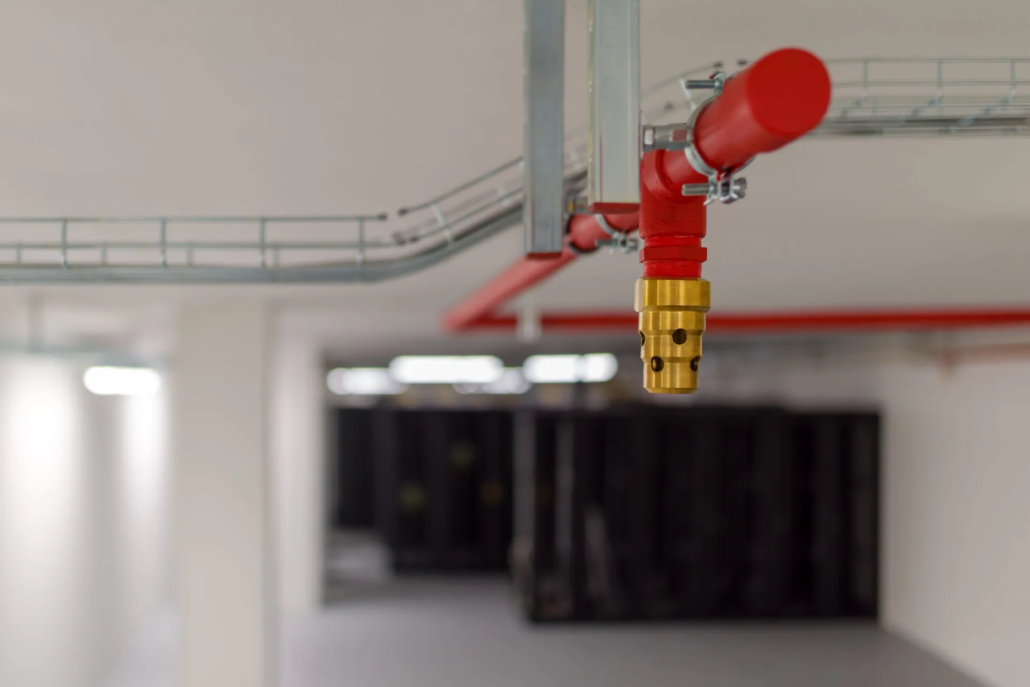
Fire sprinkler systems are one of the most effective ways to protect people, property, and assets from fire. However, not all sprinkler systems operate in the same way. Two of the most widely used types are wet pipe and dry pipe fire sprinkler systems. Selecting the right system depends on factors such as building conditions, occupancy type, and specific fire protection requirements.
Understanding the differences between these systems can help building owners, facility managers, property developers, and contractors make informed decisions. Each system is designed for different environmental conditions and offers unique benefits and limitations.
This guide explains how wet pipe and dry pipe sprinkler systems work and helps determine which option may be best suited for your building.
Understanding Fire Sprinkler Systems
A fire sprinkler system is designed to detect and suppress fires automatically. Contrary to a common misconception, sprinkler heads do not all activate at once. Each sprinkler head operates independently and is triggered only when it reaches its designated activation temperature.
When a sprinkler head activates, water is discharged directly onto the fire, helping control or extinguish it before it spreads. The type of sprinkler system installed determines how water is stored and delivered to the sprinkler heads.
What Is a Wet Pipe Fire Sprinkler System?
A wet pipe fire sprinkler system is the most common type of sprinkler system used in commercial, residential, institutional, and healthcare buildings.
In a wet pipe system, water is continuously stored within the sprinkler piping. When a sprinkler head activates because of heat from a fire, water is immediately released through that sprinkler head.
How a Wet Pipe Sprinkler System Works
- Constant Readiness: Water remains under pressure within the piping network at all times.
- Heat Detection: Heat from a fire causes an individual sprinkler’s heat-sensitive element (glass bulb or fusible link) to activate.
- Immediate Opening: The activated sprinkler head opens.
- Instant Suppression: Water flows directly onto the fire without delay.
Key Takeaway: Because water is already present within the piping, wet pipe systems provide the fastest water delivery among all standard fire sprinkler system types.
Advantages of Wet Pipe Fire Sprinkler Systems
Simpler Design
Wet pipe systems have fewer components than dry pipe systems. Their straightforward design makes installation, operation, inspection, and testing easier.
Lower Installation Costs
Because they require less specialized equipment, wet pipe systems are generally more affordable to install than dry pipe systems.
Reduced Maintenance Requirements
With fewer moving parts and components, inspections and maintenance are typically simpler and less expensive.
High Reliability
Wet pipe systems have a long history of dependable performance and are widely recognized throughout the fire protection industry for their reliability. Their simpler design also reduces the number of components that can potentially fail.
Fast Fire Response
Since water is always present within the sprinkler piping, discharge begins almost immediately after sprinkler activation. This rapid response can significantly reduce fire growth and property damage.
Disadvantages of Wet Pipe Fire Sprinkler Systems
Risk of Freezing
The biggest limitation of a wet pipe system is its vulnerability to freezing temperatures. If water inside the pipes freezes, it can block water flow, damage sprinkler components, or cause pipes to burst.
Potential Water Damage
Accidental leaks, damaged sprinkler heads, or mechanical failures may result in unwanted water discharge and associated property damage.
Not Suitable for Unheated Areas
NFPA 13 generally requires wet pipe sprinkler systems to be installed in areas where ambient temperatures can be reliably maintained at or above 40°F (4°C). If temperatures fall below this level, water inside the piping may freeze, potentially blocking water flow or causing pipe damage.
Common Applications for Wet Pipe Systems
Wet pipe systems are commonly used in:
- Office buildings
- Schools and universities
- Hospitals
- Hotels
- Apartment buildings
- Retail stores
- Heated warehouses
- Residential properties
These environments typically maintain temperatures that help prevent water in the pipes from freezing.
What Is a Dry Pipe Fire Sprinkler System?
A dry pipe fire sprinkler system is specifically designed for areas where sprinkler piping may be exposed to freezing temperatures.
Instead of water, the sprinkler piping contains pressurized air or nitrogen. Water is held behind a specialized dry pipe valve until a sprinkler head activates.
How a Dry Pipe Sprinkler System Works
- Pressurized Standby: Compressed air or nitrogen fills the overhead sprinkler piping network, keeping the system “dry.”
- Water Containment: A specialized dry pipe valve acts as a barrier, holding back the water supply in a heated area below.
- Thermal Activation: Heat from a fire causes an individual sprinkler head to open.
- Pressure Drop: The escaping air or nitrogen causes a sudden drop in pressure within the piping.
- Valve Release: This drop in pressure causes the dry pipe valve to trip and open.
- Water Delivery: Water floods into the piping network and flows directly out of the open sprinkler head onto the fire.
Note on Response Time: Because the air must exhaust before water can travel through the pipes, there is a built-in delay before discharge begins. However, these systems are precisely engineered to meet strict fire protection standards for water delivery times.
Advantages of Dry Pipe Fire Sprinkler Systems
Freeze Protection
Dry pipe systems are specifically designed for environments where freezing temperatures may occur. Since water is not continuously stored in the piping network, the likelihood of frozen sprinkler piping is significantly reduced.
Suitable for Cold Environments
Dry pipe systems provide reliable fire protection in areas exposed to freezing temperatures where maintaining consistent heat is difficult or impractical. Depending on the occupancy and temperature conditions, some cold-storage and freezer facilities may also use preaction systems or other specialized fire sprinkler designs.
Reduced Risk of Frozen Pipe Damage
By preventing water from sitting in cold pipes, dry pipe systems help reduce the risk of pipe bursts and water-related structural damage caused by freezing.
Disadvantages of Dry Pipe Fire Sprinkler Systems
Slower Response Time
Because water must travel through the pipes after activation, dry pipe systems respond more slowly than wet pipe systems. The delay is usually brief and occurs because the pressurized air or nitrogen must first be released before water enters the piping. Applicable fire protection standards place limits on acceptable water delivery times.
Higher Installation Costs
Additional components such as air compressors, dry pipe valves, supervisory devices, monitoring equipment, and associated controls increase installation expenses.
More Maintenance
Dry pipe systems require regular testing, inspection, and maintenance to ensure proper operation of valves, compressors, drains, and air pressure controls.
Increased Complexity
The system design is more complex than a wet pipe system, which can increase inspection, testing, troubleshooting, and service requirements.
Internal Corrosion Risk
Internal corrosion can be a significant concern in dry pipe systems. Oxygen and moisture inside the piping may contribute to corrosion over time, potentially affecting system performance. Many facilities use nitrogen instead of compressed air because nitrogen can help reduce corrosion and extend the life of sprinkler piping.
Potential Residual Water Concerns
Although dry pipe systems greatly reduce the risk of freezing, small amounts of residual water can sometimes remain in low sections of piping after testing or operation. Proper system design and drainage are important to minimize this risk.
Common Applications for Dry Pipe Systems
Dry pipe systems are commonly installed in:
- Parking garages
- Cold storage facilities
- Loading docks
- Attics
- Unheated warehouses
- Exterior canopies
- Manufacturing facilities with cold areas
- Other spaces exposed to freezing temperatures
These environments may experience temperatures low enough to freeze water inside a wet pipe sprinkler system.
Wet Pipe vs. Dry Pipe Fire Sprinkler Systems: Key Differences
| Feature | Wet Pipe System | Dry Pipe System |
|---|---|---|
| Pipe Contents | Water | Pressurized Air or Nitrogen |
| Fire Response Speed | Faster | Slightly Slower |
| Installation Cost | Lower | Higher |
| Maintenance Requirements | Lower | Higher |
| System Complexity | Simpler | More Complex |
| Freeze Protection | Limited | Very Good |
| Reliability | Generally Highest | High |
| Typical Application | Heated Buildings | Unheated or Freezing Areas |
Which Fire Sprinkler System Does Your Building Need?
The best choice depends largely on the temperature conditions within your building, along with operational requirements, insurance considerations, and applicable fire protection standards.
Choose a Wet Pipe System If:
- Your building remains heated year-round.
- Indoor temperatures stay above freezing.
- You want lower installation and maintenance costs.
- Fast water delivery is a priority.
- The building includes offices, apartments, schools, healthcare facilities, hotels, or retail spaces.
For most commercial and residential buildings, a wet pipe system is the preferred option because of its simplicity, reliability, and cost-effectiveness.
Choose a Dry Pipe System If:
- Parts of the building are exposed to freezing temperatures.
- Heating cannot be maintained consistently.
- The facility contains unconditioned spaces.
- Pipes are installed in parking structures, loading docks, attics, or exterior areas.
- Environmental conditions create a risk of frozen sprinkler piping.
A dry pipe system provides essential fire protection where water-filled piping could freeze and compromise system performance.
Whether you are installing a new fire sprinkler system or upgrading an existing one, working with VFS Fire & Security Services can help ensure your system is properly designed, installed, inspected, and maintained to meet applicable fire codes and the specific needs of your facility.
Can Buildings Use Both Systems?
Yes. Many larger facilities use a combination of wet pipe and dry pipe sprinkler systems.
For example, an office building may use a wet pipe system throughout heated interior spaces while protecting an unheated parking garage with a dry pipe system. A warehouse may use wet pipe protection in conditioned office areas and dry pipe protection in exposed loading docks.
Similarly, manufacturing facilities, distribution centers, and mixed-use properties often use both system types to address varying environmental conditions throughout the building.
This approach allows building owners to balance performance, cost, and environmental conditions while maintaining appropriate fire protection throughout the property.
Final Thoughts
Both wet pipe and dry pipe fire sprinkler systems provide effective fire protection, but are designed for different environments. Wet pipe systems are ideal for heated buildings because they offer fast response, lower costs, simple maintenance, and high reliability. Dry pipe systems are better suited for areas exposed to freezing temperatures, where water-filled pipes could freeze and fail. Choosing the right system depends on building conditions, operational needs, and local code requirements. A fire protection professional can help ensure the system is properly designed and maintained for reliable performance.
Need the Right Fire Sprinkler System for Your Building?
Choosing between a wet pipe and dry pipe sprinkler system is easier with expert guidance. Let our experienced team design, install, and maintain a fire protection solution that meets your building’s needs and code requirements.


