
Fire Protection for Data Centers and Server Rooms: What System Do You Need?
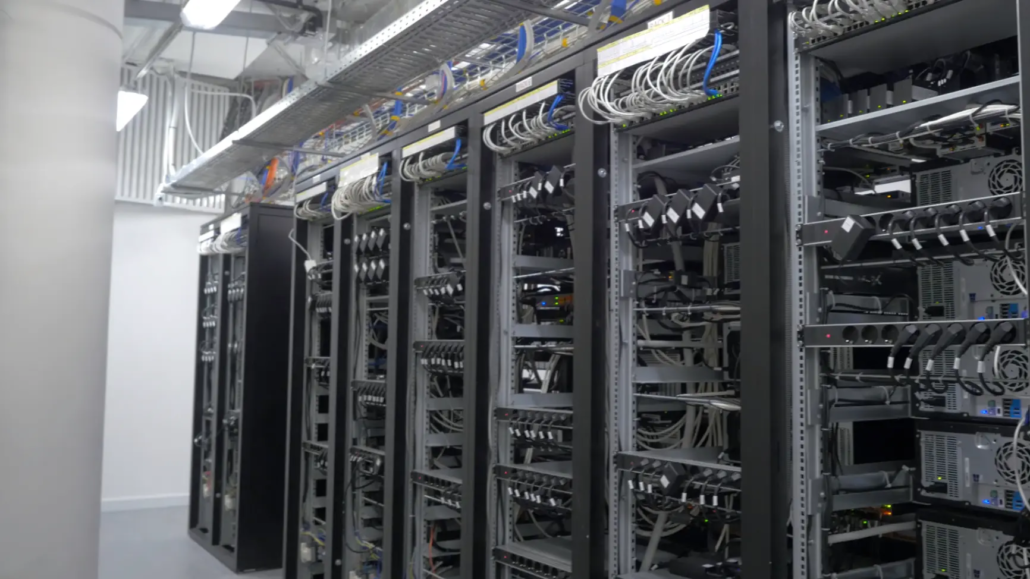
Data centers and server rooms contain sensitive electronic equipment, high electrical loads, power distribution systems, batteries, cables, and cooling equipment. These conditions can create unique fire risks that require more than a basic fire alarm system.
Effective data center fire protection uses multiple layers of detection, suppression, compartmentation (separating areas to limit fire and smoke spread), and emergency response. The goal is to detect a potential fire early, control it quickly, protect people, and limit damage to critical equipment and operations.
The right solution depends on the facility’s design, equipment, hazards, applicable codes, and requirements of the local authority having jurisdiction (AHJ).
Why Data Centers Need Specialized Fire Protection
A fire in a data center can affect more than the equipment directly exposed to flames. Smoke, heat, water, and power interruption can damage servers, networking equipment, storage systems, and other critical infrastructure. Fire-related damage can also result in data loss, system downtime, service interruptions, and significant business disruption.
Common fire hazards in data centers include:
- Electrical equipment and power supplies
- UPS systems and batteries
- Power distribution equipment
- Electrical cables and wiring
- HVAC equipment
- Combustible materials in surrounding areas
- Lithium-ion battery systems where present
- Overheated or failed components
NFPA materials identify power supplies, including UPS equipment, as important fire scenarios within information technology equipment areas. HVAC equipment and power cables can also contribute to fire risk.
Because data centers are designed for continuous operation, data center fire protection systems should provide early warning and coordinated suppression without unnecessarily disrupting critical operations.
What Fire Protection Systems Do Data Centers Need?
No single fire protection system fits every data center. Most facilities use a layered approach that combines detection, sprinklers, and gaseous suppression, based on NFPA 75, NFPA 76, local codes, and Authority Having Jurisdiction (AHJ) requirements.
1. Early Warning Fire Detection
Detection is the first layer of data center fire protection because early alerts give operators time to respond before a fire grows. Many facilities use very early warning fire detection (VEWFD), usually aspirating smoke detection (ASD), in addition to standard spot-type smoke detectors.
How Early Warning Detection Helps:
- ASD systems draw air through sampling pipes and analyze it for very small smoke particles.
- They can detect overheating components and smoldering cables before visible smoke appears.
- Multi-level alarm thresholds (Alert, Action, Fire) support staged responses.
- FM Global Data Sheet 5-32 recognizes early warning detection as a key protection measure for data centers.
- Sampling points must account for airflow in hot and cold aisle containment, raised floors, and cable pathways.
2. Automatic Sprinkler Systems
Sprinklers remain a core part of data center fire protection and are required in many facilities. NFPA 75 generally requires automatic sprinkler protection for IT equipment rooms located in sprinklered buildings.
Why Sprinklers Still Matter:
- Sprinkler heads activate individually by heat, so only heads near the fire discharge water.
- Preaction systems are common in data centers because pipes stay dry until detection and heat activation occur.
- Double-interlock preaction systems add protection against accidental water discharge.
- Sprinklers also protect adjacent spaces such as offices, storage rooms, and electrical rooms.
- System design must follow NFPA 13, the applicable building and fire codes, and AHJ requirements.
3. Clean Agent Suppression Systems
Clean agent systems are often used to protect high-value electronic equipment in enclosed rooms. They are electrically non-conductive and leave no residue, which reduces cleanup and downtime after a discharge.
Key Facts About Clean Agent Systems:
- NFPA 2001 is the standard for clean agent fire extinguishing systems.
- Common halocarbon agents include FK-5-1-12 and HFC-227ea (FM-200).
- Halocarbon agents extinguish fire mainly by absorbing heat and typically discharge within 10 seconds.
- The room must pass an enclosure integrity (door fan) test to hold the agent concentration.
- Clean agents supplement sprinklers; they do not replace sprinkler protection where codes require it.
Clean Agent Design Requirements:
- Agent quantity is calculated from room volume and the required design concentration.
- Detection is often cross-zoned, requiring two detectors to activate before discharge.
- Pre-discharge alarms, time delays, and abort switches protect occupants.
- HVAC shutdown and damper closure help keep the agent in the protected space.
- Electrical power shutdown may be required based on NFPA 75 and system design.
What About Inert Gas Systems?
Inert gas systems are a type of clean agent system, also covered under NFPA 2001. They suppress fire by lowering the oxygen level in the room to a point where combustion cannot continue, while remaining within limits set for occupant exposure.
Common Inert Gas Agents:
- IG-541 (nitrogen, argon, and carbon dioxide blend)
- IG-55 (nitrogen and argon blend)
- IG-100 (nitrogen)
- IG-01 (argon)
Inert Gas Design Considerations:
- Oxygen is typically reduced from about 21% to roughly 12–15%.
- Discharge time is typically about 60 seconds, longer than halocarbon agents.
- Rooms need pressure relief venting to prevent structural damage during discharge.
- Systems require more cylinder storage space than halocarbon systems.
- Occupant safety procedures, alarms, and evacuation plans must be part of the design.
Fire Detection and Suppression Should Work Together
One of the key data center fire protection best practices is to treat detection and suppression as a coordinated system rather than separate installations.
A typical sequence may involve:
- Early detection identifies signs of a potential fire.
- An alarm alerts facility personnel.
- The system evaluates whether suppression is required.
- Pre-action or gaseous suppression equipment operates according to its approved sequence.
- Building systems may perform programmed actions such as equipment shutdown or ventilation control.
- Emergency responders are notified according to the facility’s emergency plan.
The exact sequence varies by system design and applicable requirements.
FM recommends layered protection that combines smart monitoring, early detection, and appropriate suppression systems to address different hazards within data centers.
Pre-Action Sprinkler Systems for Server Rooms
Some facilities use pre-action sprinkler systems where additional control over water discharge is desired.
Unlike a conventional wet-pipe sprinkler system, a pre-action system generally requires a detection event before water is admitted into the sprinkler piping. Individual sprinkler heads still operate when their operating conditions are reached.
This arrangement can help reduce the likelihood of accidental water discharge from damaged sprinkler piping. However, it does not eliminate water-related risk and does not mean that sprinklers can be omitted where they are required.
The appropriate system depends on the facility’s hazard classification, construction, environmental conditions, and applicable fire protection requirements.
Data Center Fire Protection Standards
Several fire protection standards can apply to a data center, depending on the facility type, jurisdiction, and insurer. These standards become mandatory only when adopted by local codes, required by the AHJ, or specified by the owner or insurer.
Primary Data Center Standards:
- NFPA 75 covers fire protection for information technology equipment and IT equipment areas.
- NFPA 76 covers telecommunications facilities, using a risk-based approach that weighs life safety, service continuity, and economic impact.
- NFPA 70 (NEC) Article 645 sets electrical requirements for IT equipment rooms and relies on NFPA 75 compliance.
- FM Global Data Sheet 5-32 provides insurer loss-prevention guidance for data centers.
Standards for Individual Systems:
- NFPA 72 covers fire alarm and detection systems, including aspirating smoke detection.
- NFPA 13 covers the design and installation of sprinkler systems.
- NFPA 2001 covers clean agent systems, including halocarbon and inert gas agents.
- NFPA 25 covers inspection, testing, and maintenance of water-based systems.
What Determines the Final Design:
- Locally adopted building and fire codes, such as the IBC and IFC
- The specific code editions the jurisdiction has adopted
- AHJ requirements and plan review comments
- Insurance carrier requirements
- Equipment listings and approvals, such as UL and FM Approved
Data Center Fire Protection Best Practices
A strong data center fire protection plan should address the entire facility rather than focusing only on server racks.
Important best practices include:
- Conduct a fire risk assessment before selecting suppression equipment.
- Identify electrical, battery, HVAC, cable, and other potential fire hazards.
- Provide appropriate early warning fire detection.
- Coordinate detection with suppression and building systems.
- Protect critical areas with appropriately designed suppression systems.
- Maintain required fire and smoke barriers.
- Keep combustible materials out of equipment areas.
- Maintain clear access for emergency responders.
- Test and inspect fire protection systems as required.
- Keep documentation, inspection records, and maintenance information current.
- Review protection systems whenever equipment, room layouts, cooling systems, or power infrastructure change.
NFPA material also emphasizes housekeeping, separation of power equipment and cables, and measures such as overheat detection as ways to reduce potential fire risks.
How to Choose the Right System
The right data center fire protection systems depend on several factors, including:
- Size and layout of the facility
- Type and density of IT equipment
- Electrical and battery systems
- Room enclosure and airflow
- Occupancy and personnel considerations
- Required system response time
- Business continuity requirements
- Applicable fire and building codes
- Local AHJ requirements
- Insurance and risk-management requirements
A small server room and a large hyperscale data center may require very different protection strategies. That’s why facility owners and data center operators should work with a qualified fire protection specialist during design, installation, inspection, and any later system changes.
The right partner understands how detection, sprinklers, and clean agent systems work together as one coordinated strategy. For over 30 years, VFS Fire & Security Services has helped businesses across Orange County protect their people and critical assets, backed by the resources of Fortis Fire & Safety.
Protect Your Data Center With a Comprehensive Fire Protection Plan
Data centers present unique fire hazards because they combine sensitive electronic equipment, electrical infrastructure, high equipment density, and strict availability requirements.
A reliable protection strategy typically combines early warning fire detection, automatic suppression, sprinkler protection, proper compartmentation, maintenance, and emergency planning.
The objective is not simply to extinguish a fire. It is to detect the event early, control the hazard, protect people, minimize equipment damage, and support a safe return to operation.
Before selecting a suppression system, have the facility evaluated against applicable NFPA standards, adopted local codes, and AHJ requirements. A qualified fire protection professional can help determine which detection and suppression methods are appropriate for your specific data center or server room.
Find the Right Fire Protection Solution for Your Data Center
Every data center has different fire hazards, equipment, layouts, and operational requirements. VFS Fire & Security Services can help evaluate your facility and determine the appropriate combination of detection, sprinkler, and suppression systems.

