
NFPA 25: The Complete Guide to Fire Sprinkler Inspection Frequencies in California
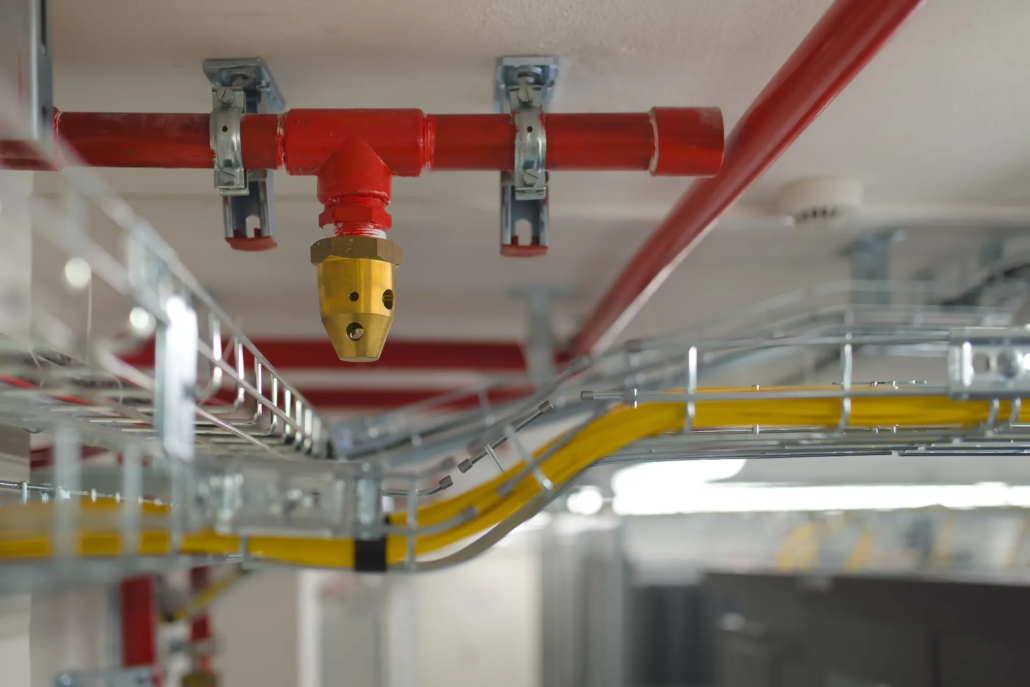
Fire sprinkler systems are a fundamental component of fire and life safety in commercial, industrial, and multi-family buildings. While proper installation establishes the foundation of protection, long-term reliability depends on consistent inspection, testing, and maintenance (ITM).
In California, fire sprinkler ITM requirements are regulated through the California Fire Code (Title 24, Part 9 of the California Code of Regulations), which adopts specific editions of NFPA 25, Standard for the Inspection, Testing, and Maintenance of Water-Based Fire Protection Systems, along with California state amendments and any locally adopted modifications. These requirements are enforced by the local Authority Having Jurisdiction (AHJ), typically a city fire department, fire prevention bureau, or county fire marshal.
Because enforcement practices, interpretation, and local amendments may vary between jurisdictions, compliance should always be verified with the applicable AHJ for the specific adopted code cycle and enforcement policies in that region.
Understanding Fire Sprinkler Inspection Requirements in California
California’s fire code framework requires that water-based fire protection systems be maintained in accordance with the California Fire Code (Title 24, Part 9 of the California Code of Regulations), which incorporates NFPA 25 for inspection, testing, and maintenance, as adopted for the applicable code cycle and as amended by the state and local jurisdictions.
This includes inspection, testing, and maintenance of water-based fire protection systems, including sprinkler system inspection, such as:
- Wet pipe sprinkler systems
- Dry pipe sprinkler systems
- Pre-action systems
- Deluge systems
- Standpipe systems
- Fire pumps (as part of water supply systems under NFPA 25)
- Fire water storage tanks, control valves, and associated water supply components
While NFPA 25 establishes the technical baseline requirements for ongoing system care, local Authorities Having Jurisdiction (AHJs) may enforce additional administrative procedures, reporting formats, or local amendments depending on occupancy classification, risk category, and regional fire protection policies.
Why Inspection Frequencies Matter
A fire sprinkler system is an integrated network of mechanical, hydraulic, and supervisory components designed to operate as a single life-safety system during a fire event. Each component must remain in proper working condition to ensure overall system performance under emergency conditions.
Regular inspection, testing, and maintenance help identify potential deficiencies such as:
- Corrosion or internal pipe degradation
- Mechanical damage, leakage, or system impairment
- Obstructions or restricted water flow within piping
- Improperly closed, partially closed, or tampered control valves
- System pressure irregularities or abnormal fluctuations
- Faulty alarm devices or supervisory signal failures
Early identification of these conditions helps maintain system reliability and supports compliance with the California Fire Code, which adopts NFPA 25 requirements for ongoing inspection, testing, and maintenance of water-based fire protection systems.
Breakdown of Inspection and Testing Intervals
The following intervals are based on NFPA 25 as adopted by the California Fire Code for the applicable code cycle, and may be subject to local AHJ amendments.
Quarterly Inspection Requirements
Certain fire sprinkler system components are required to be inspected at quarterly intervals, depending on system configuration and device type, to help ensure ongoing readiness and operational reliability.
Components commonly subject to quarterly inspection include:
- Fire Department Connections (FDCs)
- Waterflow alarm devices
- Supervisory signal devices associated with sprinkler system valves and system monitoring equipment
During these inspections, trained personnel verify accessibility, proper identification, physical condition, and operational readiness for emergency response use, ensuring that all required components are unobstructed and functional.
Other sprinkler system components are inspected at different intervals as defined by NFPA 25. For example, control valves are typically inspected on a weekly or monthly basis depending on supervision type, while fire pumps require weekly inspection and operational testing, along with periodic performance testing. Pressure-regulating devices and specialized system components may require quarterly, semiannual, or annual inspection and testing, depending on system design and configuration.
Annual Inspection and Testing Requirements
Annual inspection and testing activities provide a comprehensive evaluation of key fire sprinkler system components to help ensure continued operational reliability and code compliance.
Typical annual activities include:
- Visual inspection of sprinkler heads for damage, corrosion, loading, or obstruction
- Inspection of exposed piping for corrosion, leakage, or physical damage
- Evaluation of pipe hangers, supports, and seismic bracing systems
- Main drain testing to assess water supply performance and identify changes in system pressure conditions
- Functional testing of system alarm devices, including waterflow alarms and supervisory signals, where applicable
- General system condition review, including identification and documentation of deficiencies requiring corrective action
Main drain testing establishes a baseline measurement of water supply condition. Significant deviations from historical pressure readings may indicate changes in municipal supply conditions, partially closed valves, system impairments, or other hydraulic issues that could affect sprinkler system performance during activation.
Five-Year Inspection and Testing Requirements
Certain fire sprinkler system components are subject to extended-interval inspection, testing, and maintenance activities intended to assess conditions that are not fully verifiable through routine annual inspections.
These requirements apply to specific components and system conditions as defined by NFPA 25 and may be triggered by system age, configuration, performance history, or observed risk factors.
Typical five-year activities may include:
- Replacement or testing of pressure gauges in accordance with NFPA 25 and manufacturer specifications
- Internal inspection of piping systems where required by system type, inspection findings, or applicable NFPA 25 provisions
- Obstruction assessment or investigation in systems where conditions such as water quality, corrosion potential, or prior performance issues indicate elevated risk
- Evaluation, inspection, or servicing of selected system components as required under applicable NFPA 25 provisions for long-term system condition assessment
These extended-interval activities are intended to support early identification of internal system conditions such as corrosion, microbiologically influenced corrosion (MIC), sediment accumulation, and debris buildup. While these conditions may not be detectable during routine external inspections, they can impact system performance if not addressed in accordance with NFPA 25 requirements and applicable Authority Having Jurisdiction (AHJ) interpretations.
Additional Inspection Frequencies
Fire sprinkler systems require inspection, testing, and maintenance activities at varying intervals based on system type, component function, and supervisory requirements.
Weekly and Monthly Activities
Certain critical components require frequent monitoring, including:
- Fire pumps, which require weekly inspection and no-flow operational testing in accordance with NFPA 25 requirements, with additional annual flow testing.
- Control valves, which require weekly or monthly inspection depending on valve type, supervision method, and system configuration.
- Water storage tanks, including monitoring of water level, temperature conditions, and external condition indicators.
System-Specific Testing Requirements
Some components require periodic testing based on system design and operational function, such as:
- Dry pipe valve trip testing, typically conducted annually or as otherwise required based on system condition and NFPA 25 provisions.
- Supervisory devices, including valve tamper switches and pressure monitoring devices, tested at intervals defined by NFPA 25 depending on device type and system design.
- Special suppression or auxiliary system components, which must be tested and maintained according to system-specific NFPA 25 requirements.
Supplemental Requirements
Additional inspection, testing, or replacement intervals may apply based on:
- Manufacturer installation and maintenance instructions.
- System age, environmental exposure, and operating conditions.
- Local Authority Having Jurisdiction (AHJ) amendments or enforcement requirements.
Documentation and Recordkeeping
NFPA 25, as adopted by the California Fire Code, requires that records of inspection, testing, and maintenance (ITM) activities for water-based fire protection systems be documented and maintained as part of the system’s compliance recordkeeping program.
Standard records typically include:
- Date of inspection or test.
- Type of ITM activity performed.
- Test results, measurements, or observations where applicable.
- Identified deficiencies, impairments, or system issues.
- Corrective actions taken or required follow-up actions.
- Identification of the technician and contractor performing the work.
These records must be maintained by the building owner in accordance with NFPA 25 requirements and applicable Authority Having Jurisdiction (AHJ) retention policies, and must be made available for review during inspections, audits, or compliance verification.
Who Can Perform Fire Sprinkler Inspections in California?
Fire sprinkler inspection, testing, and maintenance (ITM) must be performed by qualified personnel trained in applicable codes and standards, including NFPA 25 as adopted by the California Fire Code.
In California, many ITM activities—particularly testing, maintenance, repairs, and system modifications—are commonly performed by licensed fire protection contractors, typically holding a C-16 Fire Protection Contractor license issued by the California Contractors State License Board (CSLB), depending on the scope of work and regulatory requirements.
Some routine inspection activities may be performed by trained and qualified facility personnel where permitted by the Authority Having Jurisdiction (AHJ), provided they are competent in identifying system conditions and properly reporting deficiencies in accordance with applicable requirements.
Technicians may also hold certifications such as NICET, depending on job role, contractual requirements, or AHJ expectations, although such certifications are not universally mandated by California law.
Ultimately, building owners retain responsibility for ensuring that fire protection systems are properly maintained and that all required inspection, testing, and maintenance activities are completed in compliance with applicable codes and standards.
For building owners navigating California’s strict regulatory environment, VFS Fire & Security Services provides the professional oversight needed to maintain full compliance. By managing the complex timeline of weekly, quarterly, annual, and five-year NFPA 25 requirements, they ensure life-safety systems remain certified, dependable, and fully aligned with local fire marshal codes.
Maintaining Fire Sprinkler Compliance in California
Compliance with fire sprinkler system requirements is not achieved through a single inspection event. It is maintained through continuous adherence to inspection, testing, and maintenance (ITM) schedules defined in NFPA 25, as adopted and enforced through the California Fire Code (Title 24, Part 9) and implemented by local Authorities Having Jurisdiction (AHJs).
A compliant ITM program typically includes:
- Scheduled inspections, testing, and maintenance performed at required NFPA 25 intervals.
- Prompt correction and documentation of identified deficiencies or impairments.
- Accurate, complete, and readily accessible maintenance and inspection records.
- Work performed by qualified and properly licensed fire protection contractors, where required.
- Ongoing coordination with the local AHJ to ensure alignment with enforcement interpretations and local amendments.
Because California operates under a jurisdiction-based enforcement model, local amendments, administrative procedures, and interpretation practices may vary between cities and counties. Regular consultation with the applicable AHJ is essential to ensure continued compliance with all enforceable requirements and adopted code provisions.
Need Support with NFPA 25 Inspection Scheduling and Compliance Documentation?
Ensure consistent compliance with California Fire Code requirements through properly structured inspection, testing, and maintenance planning. Work with qualified fire protection professionals to support accurate documentation, scheduling, and ongoing system readiness across all required intervals.


