
NFPA 72 Explained: What Commercial Fire Alarm Codes Mean for Your Building
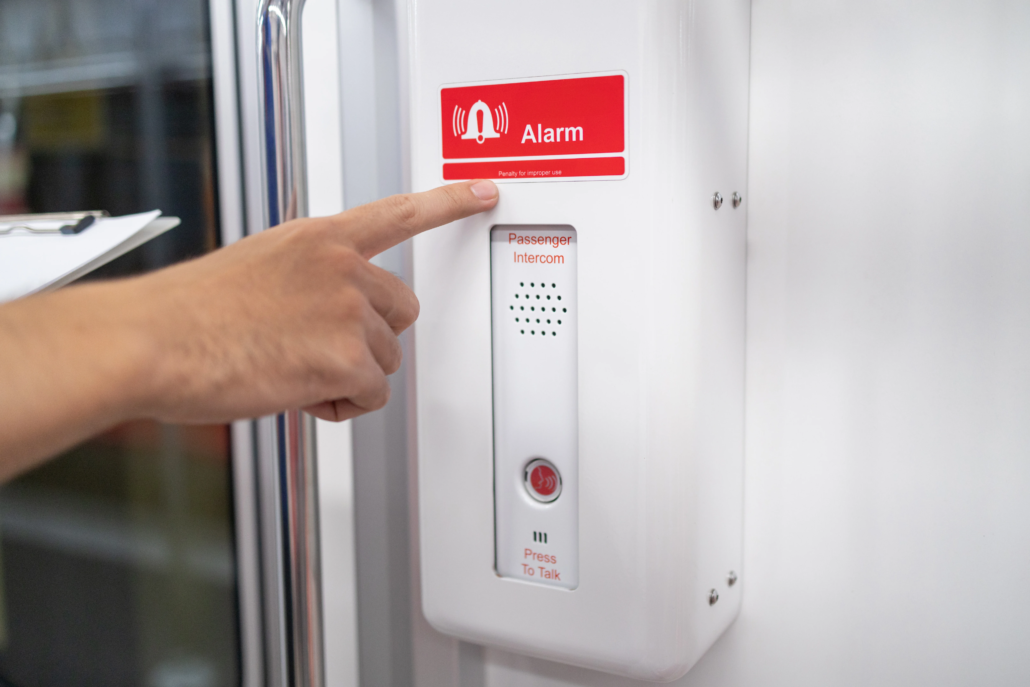
In a commercial environment, a fire alarm system is more than just a loud horn. It is a sophisticated life-safety network. The mission of this network is threefold: detect danger early, provide clear warnings, and facilitate a rapid emergency response.
In the United States, NFPA 72 is the primary standard governing the design, installation, inspection, testing, and maintenance of fire alarm systems.
Understanding Fire Alarm Code Compliance
Core Compliance Principle
The Building or Fire Code (such as the International Building Code or International Fire Code) determines when a fire alarm system is required.
NFPA 72 provides the detailed requirements for how that system must be designed, installed, inspected, tested, and maintained.
This distinction is essential. It clarifies that while building and fire codes establish when fire protection is required, NFPA 72 defines how that protection must function in real-world conditions. In practice, these codes work together, with IBC and IFC often referencing NFPA 72 for technical implementation and compliance.
What NFPA 72 Covers
Compliance with NFPA 72 is both a legal obligation and a critical safety responsibility for property managers. The code governs multiple aspects of fire alarm systems to ensure reliability and performance:
- System Design & Placement: Ensuring devices are installed in locations where they can detect and respond effectively.
- Signal Transmission: Defining how alarm signals are transmitted within the system—from initiating devices to the fire alarm control unit—and from the control unit to a supervising station, where applicable, to ensure timely notification of emergency responders.
- Occupant Notification: Setting standards for sound levels, strobe intensity, and voice clarity to ensure alerts are understood by all occupants.
- Modern System Considerations: Addressing network-connected systems and advanced “pathway survivability” to maintain functionality during emergencies.
Note: The Authority Having Jurisdiction (AHJ)—such as a fire marshal, building inspector, or insurance authority—determines the applicable code edition and enforcement requirements for a specific jurisdiction.
How NFPA 72 Defines Fire Alarm System Functionality
NFPA 72 establishes both the installation requirements and performance criteria that define how fire alarm systems must operate under real-world conditions.
The Three Core Functions of a Fire Alarm System
A compliant fire alarm system operates through three interconnected functions: detection, notification, and control.
1. Detection: Identifying the Threat
When evaluating NFPA 72 smoke detector requirements, one of the most important considerations is how detection devices are selected, located, and configured within a building.
Fire alarm detection devices serve as the primary sensing layer of the system, continuously monitoring for signs of fire.
- Smoke Detectors: Photoelectric models are optimized for slow, smoldering fires, while ionization models are better suited for fast-flaming fires.
- Heat Detectors: Ideal for harsh environments such as kitchens or garages, these devices activate based on fixed temperatures or rapid temperature increases.
- Manual Pull Stations: These allow occupants to manually trigger the alarm if they detect danger before automatic systems respond.
- Waterflow Switches: Common in sprinkler-equipped buildings, these devices activate when water begins flowing through the system.
2. Notification: Warning the Occupants
Once a threat is detected, the system must communicate it clearly and effectively.
- Audible Signaling: Public-mode audible alarms must sound at least 15 dBA above the average ambient sound level or 5 dBA above the maximum sound level having a duration of at least 60 seconds, whichever is greater.
- Visual Signaling: Strobe lights are essential in high-noise environments and for individuals with hearing impairments.
- Emergency Communications Systems (ECS), including voice evacuation capabilities: These systems provide spoken instructions, improving clarity and guiding occupants during evacuation.
3. Control: The Brain of the Operation
The Fire Alarm Control Panel (FACP) acts as the system’s central command center. It processes incoming signals, identifies alarm locations, and monitors system integrity.
The FACP also detects and reports trouble signals, including:
- Wire faults or short circuits
- Primary power loss or battery failure
- Communication pathway interruptions
These alerts indicate that part of the system may not function correctly and require immediate attention.
Design Requirements: Strategic Device Placement
Even the most advanced equipment will fail if installed incorrectly. NFPA 72 establishes strict guidelines for device placement to maximize effectiveness.
- The “30-Foot Guideline”: On smooth ceilings, NFPA 72 allows spot-type smoke detectors to be spaced 30 feet apart. However, the “0.7 Rule” requires all ceiling points to be within 21 feet of a detector to ensure full coverage. This spacing must be reduced further based on ceiling height, airflow, and structural beams.
- Strobe Synchronization: In larger spaces, multiple strobe lights must flash in synchronization to prevent disorientation or potential health risks for occupants with photosensitivity.
System Lifecycle: Inspection, Testing, and Maintenance (ITM)
Fire alarm systems require continuous oversight to remain effective. Chapter 14 of NFPA 72 outlines the required inspection, testing, and maintenance procedures:
| Service Type | Primary Purpose | Practical Example |
|---|---|---|
| Visual Inspection | Identify physical damage, obstruction, or improper installation conditions | Checking for painted-over or obstructed smoke detectors |
| Functional Testing | Verify that system components operate correctly under simulated alarm conditions | Using test smoke to activate a smoke detector or simulating activation of pull stations |
| Sensitivity Testing | Confirm smoke detectors operate within their listed sensitivity range | Testing detectors to ensure response remains within manufacturer-specified limits without nuisance or delayed alarms |
Accurate recordkeeping is required under NFPA 72. All inspection, testing, and maintenance activities must be documented and retained for Authority Having Jurisdiction (AHJ) review and compliance verification.
Common Misconceptions About Fire Alarm Compliance
“My building is grandfathered in.”
Reality: This status typically ends when significant renovations are made or the building’s occupancy type changes.
“I have sprinklers, so I don’t need smoke detectors.”
Reality: Fire sprinklers control or suppress fires, while alarms provide early warning, serving different yet complementary life-safety roles.
“The ‘Test’ button on the unit is sufficient.”
Reality: The ‘Test’ button only performs a limited device check, such as sounding the alarm locally, and does not confirm full system operation, signal transmission, or monitoring station communication.
Practical Action Plan for Building Owners
Maintaining compliance requires proactive management. Consider the following steps:
- Identify Your AHJ: Understand which code edition is enforced in your jurisdiction.
- Verify Technician Credentials: Work with professionals certified by NICET or equivalent licensing bodies.
- Maintain Documentation: Keep updated “As-Built” drawings and detailed inspection records.
- Respond to Trouble Signals: Never ignore warning indicators such as chirping devices or panel alerts. These signals indicate system vulnerabilities.
With decades of experience protecting life and valued assets, VFS Fire & Security Services provides the expertise clients need to navigate these codes. Their team offers complete fire protection solutions, from fire sprinkler services to advanced alarm detection, ensuring your building remains compliant and safe.
Updates to NFPA 72 and Emerging Trends in Fire Safety Systems
Fire alarm technology continues to evolve, and NFPA 72 is regularly updated to reflect new risks, innovations, and best practices. Staying informed about these changes is essential for maintaining compliance and improving system performance.
Increased Focus on Networked and Smart Systems
Modern fire alarm systems are increasingly integrated with building management systems (BMS) and IoT-enabled devices. Newer editions of NFPA 72 address system interoperability and the reliability of network-based communications, with emerging consideration of cybersecurity risks.
Enhanced Pathway Survivability Requirements
Recent updates place greater emphasis on ensuring that communication pathways remain operational during fire conditions. This includes improved standards for circuit protection, redundancy, and fault tolerance.
Expansion of Emergency Communication Systems (ECS)
There is growing adoption of voice evacuation and mass notification systems. These systems go beyond traditional alarms by delivering real-time, situation-specific instructions, improving occupant response during emergencies.
Greater Emphasis on Inspection, Testing, and Documentation
NFPA 72 continues to refine requirements for Inspection, Testing, and Maintenance (ITM). Digital recordkeeping and remote testing capabilities are increasingly adopted in the industry, alongside ongoing refinement of documentation requirements.
Accessibility and Inclusive Design Improvements
Updates increasingly consider the needs of all occupants, including individuals with disabilities. This includes enhancements in visual signaling, voice clarity, and multi-sensory notification methods.
What This Means for Building Owners
Fire alarm compliance is no longer static. Property owners and facility managers must regularly review system capabilities, stay aligned with the latest code editions enforced by their AHJ, and upgrade systems when necessary to meet evolving standards.
Conclusion
Compliance with NFPA 72 is not simply about meeting regulatory requirements. It is about ensuring that, in an emergency, your building functions as a reliable life-safety system. By understanding the code, implementing proper design practices, and maintaining a consistent service schedule, property owners can protect both their investments and the people who depend on these systems every day.
Is Your Fire Alarm System Truly Compliant or Just Making Noise?
Navigating the complexities of NFPA 72 requires professional expertise and proactive maintenance.
Contact Us
