sprinkler systems updates in commercial buildings

Scott Santos, our Director of Sprinkler Operations at VFS Fire and Security highlights the changes that have occurred in fire sprinkler systems over the past year. Watch the video below for more information. 


Fire Industry Changes

We’ve seen a lot of recent challenging changes in our sprinkler industry including:

  • Finding enough manpower 
  • Finding employees with talent  

Project Shifts 

Types of projects have also changed. We used to have a world where retail and brick and mortar were a big commodity of projects. Today with the uptake of e-commerce and increased online shopping, we’ve seen big changes in the types of projects. For example,  brick and mortar retail spaces are not as prevalent as warehousing. Warehousing now has been pushed up.

Clientele 

Many of our clients are big-box companies that are looking for storage. This means they are searching for warehousing. However, there’s not enough warehousing out here. What we’ve seen in the last two years is that simply rehabilitating buildings, upgrading buildings provides a higher level of storage. Currently, many distribution centers are coming up. The Amazons and the Targets of the world are looking for space and for distribution centers.

So as we look at warehouse spaces, things do change. The solutions to the sprinkler systems definitely change. We need to upgrade them. The systems that are in there now are only as good as the storage that they had previously. As the storage grows in height, and as we start to put more material handling equipment in there, we need to upgrade systems.

Three Sprinkler System Updates

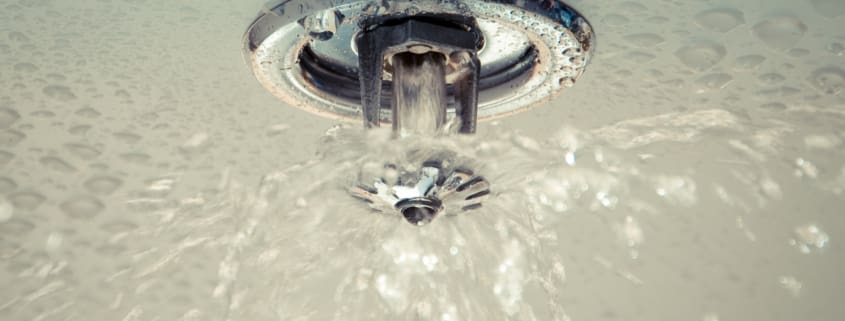
There are three different ways that we usually look at it. The first and easiest way is looking at the systems that are in place already. If we change sprinkler heads and make current ones larger sprinkler heads to provide more water, that’s one way to update the system. 

A second way is to actually upgrade the system for a higher density. Once those higher densities are in there, we must consider if interactive sprinklers or any other sprinklers need to be included that are different from what the system demands.

The third way is we have to consider if they’re storing plastics and higher commodity systems or higher commodities. If so, we need to protect the commodities with ESFR systems. This means early suppression and fast response systems are popular now. Now we’re going into the buildings and tearing out old systems to put in new ones to accommodate what they’re putting in the buildings.

Material Shortage 

As we upgrade these systems, the most challenging part is trying to actually buy materials. There’s a shortage throughout the industry trying to find piping and materials for actual systems. Pricing throughout the industry has also gone through the roof, making purchasing material tough.  

It also costs building owners more money. Many owners want to lease out these buildings to the Amazons, the Targets, or the Sketchers. What’s tough for us is that we’re getting pushed on every project to upgrade this quickly. That’s probably one of the challenges that we’re meeting right now is materials, manpower, and getting things done on time for customers.

One of the things that we’re doing is trying to get contracts in place quickly. And then what we’re able to do is try to go out and procure our materials early. 

So we’re saying, “Hey, if we can buy the materials quickly, then we can have it on site. We’re not having to worry about time spans or how long it’s going to take to get equipment.”

Client Communication

One of the things we’re trying to ensure is going out and purchasing the materials as quickly as possible. On our side, it’s good because we’re getting quicker contracts.

The other solution is just making sure that we communicate well with our clients, to say, “Hey, what exactly are you doing?” 

We make sure that we provide them with the correct systems, the correct products, and that everything that meets their needs because there’s nothing worse than getting something in that doesn’t meet their needs. So we’re really aiming to satisfy our customers. Obviously, our customers are number one, so we’re making sure that we go after them.

How do we train new employees? 

We’ve been able to bring in individuals with less experience. We provide them with a training program or an apprenticeship program that allows them to eventually receive their certification as a pipe fitter. 

In the state of California, they’re required to have a fitter card. So we’re bringing them in, and we’re trying to grow them from down up, right from the bottom up. Let’s get these employees in quickly and train them. It’s a five-year program that develops them and our crew. 

When it comes to manpower, we are aiming at growing within through finding tradesmen. We’re even speaking to high schools, trade schools, or anywhere we can to get somebody interested in the fire protection industry. That’s probably been our biggest gap in this industry throughout the last 30 years. 

At VFS we’re trying to grow, whether through pipefitters, sprinkler designers, fire alarm designers, and beyond, we are looking to grow from within. We do this by providing them with training and continuing to be the best professional company we can be.

Do you know what to do in case of an oil or grease fire? Heads up, don’t throw a bucket of water on it. Learn more about what the right steps are.
Hurricane season preparation

Hurricane Nicholas threatened Texas in September, starting the dreaded hurricane season. Port Houston even closed their terminals to prepare for the tropical storm.

Hurricane Nicholas was a wake-up call that protecting your port and your commercial building by following marine safety is crucial.

Prepping for Hurricane Season

Your commercial building or property is an investment, so losing it in a natural disaster would be catastrophic for your bottom line and building. When it comes to natural disasters, taking preventative measures is key for protecting your commercial property.

All Hands and Hearts provides valuable preventatives for all business owners. Here are a couple of the main points outlined that will help take measures to prepare your commercial property for a hurricane.

Review the Local Authority’s Plan

The Houston Office of Emergency Management lists valuable information for Houston-specific hazards. They also provide lists of items that should be included in a “Stay-at-Home Safety Kit” and a “Shelter-in-Place Kit.” The main hazards that fall under the hurricane warning category are:

Storm Surge

“Along the coast, storm surge is often the greatest threat to life and property from a hurricane. In the past, large death tolls have resulted from the rise of the ocean associated with many of the major hurricanes that have made landfall.”  

Power Outage

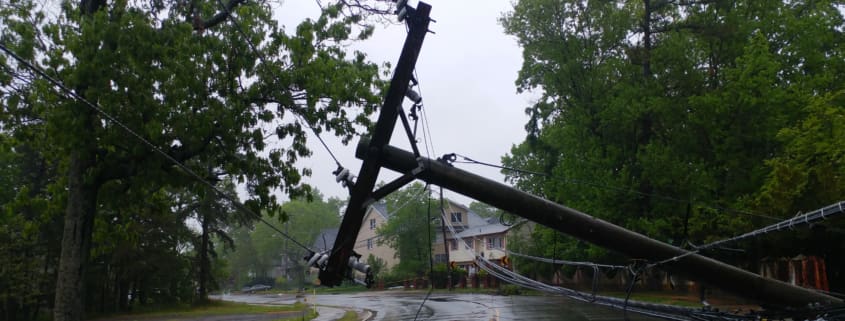
“When power lines are brought down by strong winds, falling trees or debris, it may take days, weeks, or longer to get power back up and running.” This website is actively updating power outages and can be a helpful tool for hurricane readiness.

Rainfall Flooding

“Flash flooding, defined as a rapid rise in water levels, can occur quickly due to intense rainfall.”

Wind

“The Saffir-Simpson Hurricane Wind Scale is a 1 to 5 rating based on a hurricane’s sustained wind speed. This scale estimates potential property damage.” 

Create a Plan

Based on the above factors, create an action plan for your marine port or commercial property. Ensure all employees understand this preventative plan thoroughly.

Some factors to consider for a hurricane plan include but are not limited to:

  • A shelter plan
  • Company-wide communication
  • Evacuation route
  • Emergency warnings and alerts. 

Prepare Your Property

A small act of preparation might save your building. When walking through your commercial property, there are a few key steps to take:

  • Clear all gutters and drains
  • Install check valves in plumbing
  • Trim and remove trees close to your building
  • Add sandbags as necessary (water pumps can be covered by water insurance in some cases but is not guaranteed)

Financial Preparation

As a business owner, it is crucial to understand your insurance policies and exactly what is covered. For example, most property insurance policies have a surface water exclusion. Have a safety fund available in case of the worst-case scenario. 

Marine Fire Safety

Port Houston has already experienced the effects of hurricanes, and there are steps to prepare for hurricanes and other natural disasters (well, like fires). 

Some of the key points to remember with marine safety are properly managing your:

  • Certifications and Documents
  • Fire Safety Equipment
  • Hurricane Preparedness Equipment
  • Engine Room Maintenance
  • Deck Maintenance and Crew Readiness
  • Emergency Equipment

This is just a starting point for general marine safety. Read on for more here.

Unfortunately, there is a long list of natural disasters to prepare for, like fires. And news flash, fire suppression and fire sprinklers are not the same thing!

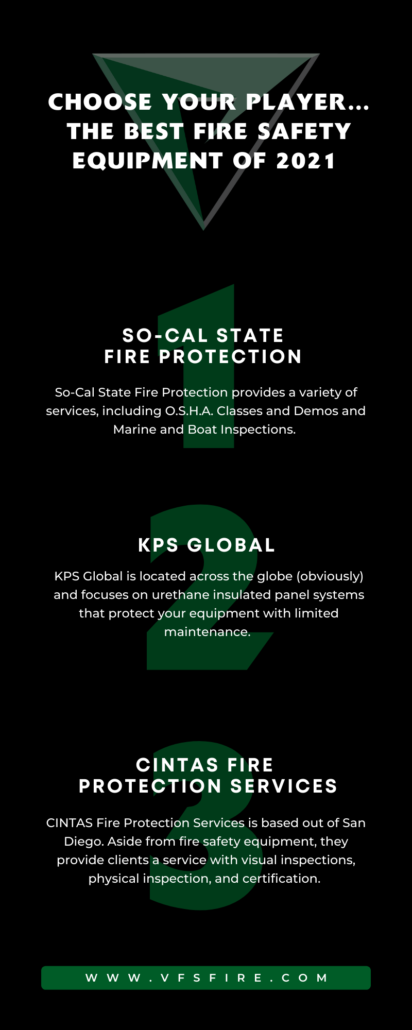
Choose your player… the Best Fire Safety Equipment of 2021

Protecting your commercial building is a huge decision and financial commitment. Here are some of the best options in Southern California for fire prevention. 

Autocall

Autocall believes that people and facilities everywhere deserve to be protected by fire detection systems that deliver unparalleled performance. Backed by a legacy of innovation and invention, Autocall is pushing the industry forward with feature-rich fire detection systems that help to ensure that our customers are safe and their facilities are secure.

AES Corporation

AES Corporation is the leading manufacturer of communication products and services designed for the fire, burglary, and facility applications. Learn how an investment in AES’s wireless mesh telecommunications technology can help you take control of your network, pricing, and future.

Ansul

ANSUL® is a global premium brand of Tyco Fire Protection Products. ANSUL special hazard fire protection products are designed and manufactured to strict standards and tested under the scrutiny of national and international independent testing laboratories and approval agencies.

Kidde Fire Systems

Since 1917, Kidde Fire Systems has been a global leader in fire protection, protecting people, property, and processes from fire hazards. Our fire protection solutions include conventional & intelligent detection and control systems that complement a complete line of fire suppression systems.

Potter

Potter Today, Potter is carrying on the legacy of Charles E. Potter by combining the latest technology in fire protection with the dedicated manpower for which they have been known for over one hundred years. With an unwavering dedication to their customers, Potter looks to continue as the industry standard in both product and service.

Valcom

Valcom’s long tradition of communication leadership and innovation addresses our customers’ most complex communication concerns. Our products are developed based on the customer’s need to relay information rapidly so individuals in various locations throughout an organization receive relevant instructions, and act upon them in emergency situations.

Learn what sprinkler system would work best for commercial buildings here

Best Fire Safety Equipment

How much does a fire alarm system cost?

Well, the short answer is ‘it depends.’

The long answer is that we can help you understand the factors that will influence the cost of a fire alarm system for your commercial property! Let’s get started.

What to Consider

Depending on your property, each of these factors could require different levels and types of fire alarm systems. A good rule of thumb to follow is understanding that the larger and more complex your facility is, the more you will need to invest in your fire protection systems to keep everyone safe in case of an emergency. 

Size of Building

Yes, the cost of a fire alarm system for Knottsberry farms is going to be different than the tiny mom and pop shop on the corner. 

In general, a good rule of thumb to follow is the larger your building, the higher the cost to keep everyone safe in case of an emergency. If the building is older, there will most likely be obstacles for a fire safety crew (like VFS!) to work with.

Additionally, if there are special system preferences and repairs, the cost will reflect this. 

Types of Facilities

The cost of your fire alarm system depends greatly on the environment. Below are some of the more complex environments that may require a little more fire alarm TLC: 

  • Oil Refineries
  • Data Centers
  • Aircraft Hangers
  • Manufacturing & Testing Facilities 
  • Power Generation
  • Healthcare Facilities

What Are You Storing? 

Another big factor in cost depends on what contents you are storing within your facility. More complex environments usually mean high hazard equipment or contents such as: 

  • Chemicals
  • Combustibles
  • Flammable Liquids
  • Corrosives
  • Spray Painting Equipment
  • Welding Equipment

Fire Season 

Fire season is in full swing. As a result, fire safety costs and insurance is going up in price! This can be a factor in how expensive a fire alarm system will cost. This can be another factor in the cost of your fire protection. 

There are different aspects that will contribute to the cost of a fire alarm system like: 

  • Where is it? 
  • What state? 
  • How big is the building?

Depending on these factors, additional monthly fees could apply. 

Looking for more specifics about your commercial or educational building? Reach out to VFS Fire and Security Services today to learn more information. For more on the different fire sprinkler systems available to you, read on here. (Psst! Fire suppression and fire sprinklers are not the same!)

News Flash! Fire Suppression and Fire Sprinklers Are Not the Same!

Your general thought process might look something like this: “Water puts out fires, so sprinklers must be a type of fire suppression, right?”

Wrong. 

There is a difference between fire suppression and fire sprinklers, and VFS Fire & Security Services is here to help figure out which fire safety measures are right for your commercial building!

Fire Suppression

Fire suppression systems are considered one of our specialties at VFS. Fire suppression systems are used to extinguish or control fires and are activated by heat, smoke, or a combination of the two.

These systems are typically found in places like museums, libraries, data centers, and archives. Unlike wet-pipe sprinkler systems, suppression systems use gaseous, chemical or foam agents to suppress the fire, rather than water. 

This aids in the preservation of sensitive equipment and content within a particular environment. There are many different applications of fire suppression depending on the area in which these systems are housed. There are various types of fire suppression systems.

Clean Agent 

Clean agent fire suppression, is a term used to describe the use of inert gases to extinguish a fire. These systems all have three main components: 

  • Smoke Detector
  • Control Panel
  • Notification Devices

When the smoke detector is triggered, it sends a signal to the control panel which then alerts the notification devices, activating the release device to suppress the fire. 

Clean agent fire suppression systems are fast-acting and most effective in protecting sensitive equipment and environments because they are designed to suppress the fire in its incipient stage. They are electronically nonconducting and unlike water, they won’t ruin electrical components or electronics. 

They are most often found in server rooms, record/file repositories, and data centers that require an increased level of protection to prevent unnecessary and accidental discharge of systems.

The Details

  • Inert gases: Nitrogen, argon, and carbon dioxide work together by lowering oxygen content in a room below the level that supports combustion, while still allowing a person to breathe keeping your environment and your personnel safe.
  • Fluorocarbon-based extinguishers are described as “clean agents” as they do not leave any oily residues, particulates or water damage and rapidly extinguish fires with a superb weight to effectiveness ratio. These extinguishing agents are also safe to use in occupied spaces and offer unique advantages in speed, performance, and safety.

CO2 Systems

C02 is an effective method of extinguishing a wide range of flammable and combustible materials in both surface and deep-seated fires. Carbon dioxide is a colorless and odorless three-dimensional clean agent. It is typically harmless to equipment, materials, and property preventing excessive damage to equipment to your facility in the event of a discharge.

There are high and low-pressure CO2 systems. High-pressure systems use individual storage cylinders ranging from 35 lbs to 120 lbs. Low-pressure C02 systems are ideal for non-occupied fire hazards requiring large amounts of extinguishing agents in a limited space. 

Wet Chemical 

Extinguishing methods of wet chemical suppression systems are specific to the type of cooking fires that may occur in a commercial kitchen. When triggered, the system discharges immediately with a liquid that, when sprayed onto the fire, cools the flames almost instantaneously.

When this liquid comes into contact with the oils and fats it creates a foam, subsequently cooling the affected area and preventing the spread and from the potential of reigniting. 

Dry Chemical

Dry chemical is a type of fire protection system that makes use of a dry chemical powder to extinguish a fire. Most dry chemical fire suppression systems use a large tank that is filled with dry chemical powder, which is then pressurized. 

There are other types of fire suppression systems (including pre-engineered system applications and water mist systems), but what’s the difference between suppression and sprinkler systems? 

Fire Sprinkler Systems

The biggest difference between the suppression systems already mentioned and sprinkler systems is the use of water instead of foam. 

All sprinkler systems are designed and engineered in different ways depending on the environment, the assets being stored in a particular space, and NFPA requirements and specifications. 

The methods of activation vary depending on the system but one thing is for sure-fire sprinkler systems are designed to protect your assets by controlling and extinguishing fires!

The different types of fire sprinkler systems include: 

  • Wet Pipe
  • Dry Pipe
  • Pre Action
  • Deluge
  • Foam Water Systems
  • Fire Pumps
  • Fire Backflow

There are a lot of factors that go into commercial sprinkler systems. Learn more details about the different types of sprinkler systems on our blog.

What is a Public Safety DAS? NFPA, ERRCS and AHJ (Plot Twist, these letters actually mean something...)

You’re not alone if you see all the abbreviations in fire safety and think, “How the h*ll am I supposed to know what that all means?” 

DAS Explained

The amount of NFPA codes is a large number (like large as in over 300…), so we understand it’s hard to keep track of them all! Actually, are you trying to test your knowledge? Take our NFPA Fire Codes quiz and see how you do! 

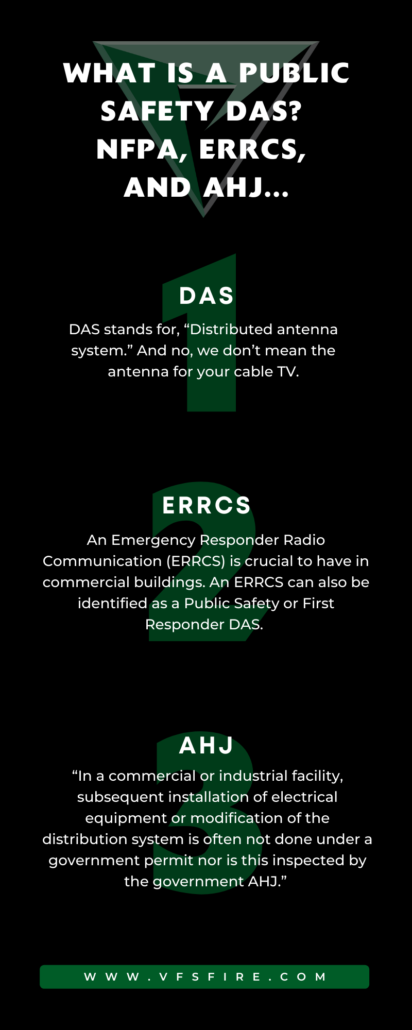
Anyways, DAS stands for, “Distributed antenna system.” And no, we don’t mean the antenna for your cable TV.

The NFPA requires that “Buildings and structures that cannot support the required level of radio coverage shall be equipped with a radiating cable system or a distributed antenna system (DAS) with FCC-certified signal boosters, or both, or with a system that is otherwise approved, in order to achieve the required adequate radio coverage.” 

There are additional factors of the distributed antenna system that any commercial property owner should consider (based on NFPA standards). This might include:

  • Signal Strength
  • Isolation
  • System Radio Frequencies
  • Frequency Changes
  • Critical Areas
  • Radio Coverage

Another main component of NFPA 72 Section 24.5.2 is non-interference. 

In other words, “no amplification system capable of operating on frequencies or causing interference on frequencies assigned to the jurisdiction by the FCC shall be installed without prior coordination and approval of the authority having jurisdiction,” according to the NFPA. “The building manager/owner shall suspend and correct other equipment installations that degrade the performance of the public safety radio system or public safety radio enhancement system.” 

Let’s Talk ERRCS

So surprise, ERRCS is one in the same as DAS. An Emergency Responder Radio Communication (ERRCS) is crucial to have in commercial buildings. An ERRCS can also be identified as a Public Safety or First Responder DAS. 

It turns out all of the fire protection abbreviations can be interchangeable!

How About AHJ?

AHJ, the last acronym to understand for today’s lesson! AHJ stands for, “Authority Having Jurisdiction.” It can be a common misconception that the local fire marshall is responsible for any updates in fire safety. But this is not the case. Oftentimes there are multiple people or authorities who have jurisdiction and are responsible for a facility’s fire safety standards and practices.

The NFPA has regulations set under Code 70E

“In a commercial or industrial facility, subsequent installation of electrical equipment or modification of the distribution system is often not done under a government permit nor is this inspected by the government AHJ.” 

A good question to keep in mind listed from the NFPA is, “Does your management invite a government AHJ to inspect and approve the installation of a new subpanel, the move of a production line, the retrofit for a breakroom, the extension of a circuit, or the addition of a backup generator in your facility?”

Have more questions about these confusing acronyms? Reach out to VFS Fire & Security Services today! 

What is a Public Safety DAS? NFPA, ERRCS and AHJ (Plot Twist, these letters actually mean something...)

What is a Public Safety DAS? NFPA, ERRCS and AHJ (Plot Twist, these letters actually mean something…)

Building Compliance vs. Building Complaints (clearly marked fire exits)

Building Compliance vs. Building Complaints (Not a Spelling Error!)

There’s a good reason for the codes and standards established by the National Fire Protection Association (NFPA). Compliance isn’t a punishment, it’s a roadmap to safety, protection, and long-term sustainability.

With over 300 codes written in “legal-ese,” it’s not always as intuitive as it should be to comply with fire safety codes. So, we’ve created a cheat sheet to steer you in the right direction— it doesn’t have to be so overwhelming.

300 Fire Protection Compliance Codes?!?

Do you think you know them all? If you dare, check out our latest quiz to test your fire code knowledge. 

Unless you score perfectly on the fire safety quiz, it’s likely that your building does not have to comply with all 300 NFPA codes and standards. Searching the NFPA’s database here can simplify the process.

Codes you’ll regularly encounter, however, might include: 

NFPA 99

Health Care Facilities Code

NFPA 72®

National Fire Alarm and Signaling Code®

And others that are very specific, such as: 

NFPA 418

Standard for Heliports

Compliance isn’t the goal. Safety is the goal, and—in that vein—we always recommend the following precautions be taken.

Dispose of Excess Packaging in Real-Time

It seems like the stuff of action moves, and yet, it happens all the time. Piles of boxes can fuel a fire that might otherwise be easily managed. Oily rags can spontaneously combust. Rag disposal is essential to safety. Ensure you dispose of excess packaging in real-time.

Don’t Put a Lantern in the Shed with The Cow. 

Check your fire extinguishers. An expired extinguisher is not only frustrating, but it can be deadly. A popping sound when you turn on the light is a warning! Inspect electric lines that are old or unreliable. These tips and tricks might all seem out of pocket, but one day you might thank us for not putting that lantern next to your beloved cow, Betty. 

Get Honest Regarding our Disaster Preparedness

Whether it be for fire, earthquake, flood, locusts, and any other eventuality, get honest about your current disaster preparedness.

If you haven’t already, make sure everyone knows what to do, who is in charge, how to get out, and where to go following. This is a serious one for anyone who owns a business in California especially. The earthquakes have already started and don’t seem to be slowing down. 

Bring in the VFS Experts

We’ve seen it all. Our teams can ensure compliance and that it isn’t all you’re doing to prevent fires. We are a full fire and life safety contractor and after-market service, provider. Whether your fire prevention needs are related to fire sprinkler systems, alarms systems, extinguishers, backflows, fire pumps, suppression, special hazards, monitoring, DAS systems, emergency notification (the list goes on and on!), we can not only inspect and maintain those systems but also design, build, and install! With our inspections program, we manage, schedule, and track your inspections, deficiencies, and repairs so you don’t have to. 

At VFS Fire & Security Services, we pride ourselves on the caliber of our team members, our commitment to a holistic understanding of your needs, and our-list wine collection (get to know our founder!). We are the team you want to bring to your project.  Connect with us, take a look inside our new site!

Prepping your commercial property for fire season! (Yes, you need to)

Surprise, fire season is just around the corner, which means it’s time to spring into action to prevent fires. 


As summer approaches, hot weather and dry winds create the perfect conditions for a fire that could destroy your property. 


Duh Duh Duhhhh!


Last year, in California alone, the state reported


  • 2.5 million acres burned 
  • 8,835 incidents 
  • 3,629 structures damaged or destroyed. 


Erring on the side of caution when it comes to protecting your commercial property can help prevent damage to your building. 


Your commercial property can suffer damage from a fire through:


  • Flames directly contacting your building 
  • Radiant heat that can cause combustible materials to ignite 
  • The wind blowing burning embers onto your property (the most common occurrence)


Fire season is unpredictable and frightening, but don’t worry, VFS is here to help prepare your commercial property for a potential emergency. Fire safety regulations for a commercial building may look different from one property to another. 


Video Surveillance


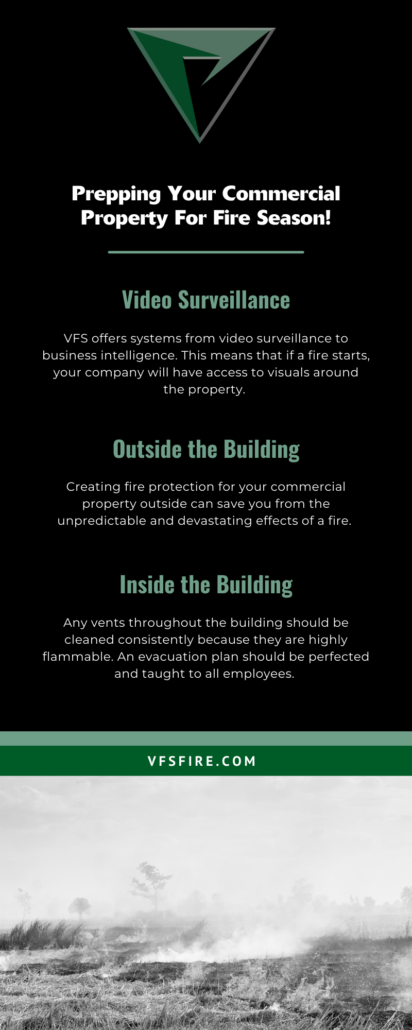
VFS offers systems from video surveillance to business intelligence. This means that if a fire starts, your company will have access to visuals around the property. We design systems that optimize your existing infrastructure and augment them with the latest in proven technologies. 


Adding this extra layer of security is just a stepping stone towards having a foolproof plan in place for fire season. 


Outside the Building

Establishing fire protection elements outside your commercial property may save you from the unpredictable and devastating effects of a fire. When preparing the surrounding area for fire season, create three “buffer zones” that act as lines of defense. These areas outside of the building need to be free of flammable or combustible materials. 


Zone Three

Typically, this region is the first line of defense against a fire. It ranges about 100 or more feet from the building depending on where the building is located.  In the case of commercial properties built on a slope, buffer zones are recommended to extend further, about 150-200 feet total, due to faster and longer flaming fires. This buffer zone would help slow down the pace of the fire.


The surrounding area of any property should be cleared of extra brush, dead plants, and trees. This includes trees, shrubs, bushes, and dead grass. Keep shrubs trimmed and spaced out as well. Another good rule of thumb to follow is to make sure any tree branches stay at least 10 feet from any other trees. 

If you need to keep a storage shed, wood, a trailer or other similar objects on your property, try to keep them in this zone. 

Zone Two

This is the second line of defense against a fire. Its purpose is preventative damage control if the fire breaks through zone three. Zone two ranges about 30 to 100 feet from the building. 


Buildings with grass surrounding the property should avoid tall grasses, also known as ladder fuels, because they make it easier for fires to climb trees. Any grass should be kept no taller than four inches high. 


Any dead plants, bushes, or trees should be removed from this area. When maintaining the trees in this zone, prune the branches so they are at least ten feet from the ground, and remove any low-hanging branches. 


Zone One

Zone one, also known as the last line of defense, includes the area up to 30 feet away from your property. 


If your building has a deck or a porch, avoid storing any combustible materials like wood underneath it. 


All dry or dead plants or dry vegetation in this zone must be cleared away. This includes:


  • Brush 
  • Bushes 
  • Pine needles 
  • Dry leaves 


When landscaping this area, it’s important to keep zone one in mind. It’s best to use noncombustible materials such as rocks or gravel to help keep flames at bay.


Cut down any tree branches hanging over the roof of the building. 

Other Outside Hazards

Another hazard to be aware of is gutters. The key is to maintain a consistent routine of cleaning out the building gutters to avoid the build-up of dry leaves and other highly flammable materials. 


The parking lot is another focus area for fire prevention. Depending on the commercial building layout, parking lots can become a hotspot for sparks to fly. To avoid this, inform your staff that they need to avoid parking over any grass or spilled oil.


Inside the Building


There are other steps beyond video surveillance that you can take to ensure your commercial building is prepped for fire season. 


Any vents throughout the building should be cleaned consistently because they are highly flammable. Metal vents can be added to act as a temporary barrier between embers and the vent. 


An evacuation plan should be perfected and taught to all employees. Performing practice drills with your company will ensure everyone understands their role in the event of an emergency. 


Get prepared for fire season before it starts this year. We promise you’ll thank us later. For more information about fire prevention vs fire protection, read our article here. 


prep for fire season


Get it together and inspect your building more than once a year!

You’ll thank us later. 

Owning a commercial building comes with a lot of responsibilities — that doesn’t mean you should slack on simple inspections. 

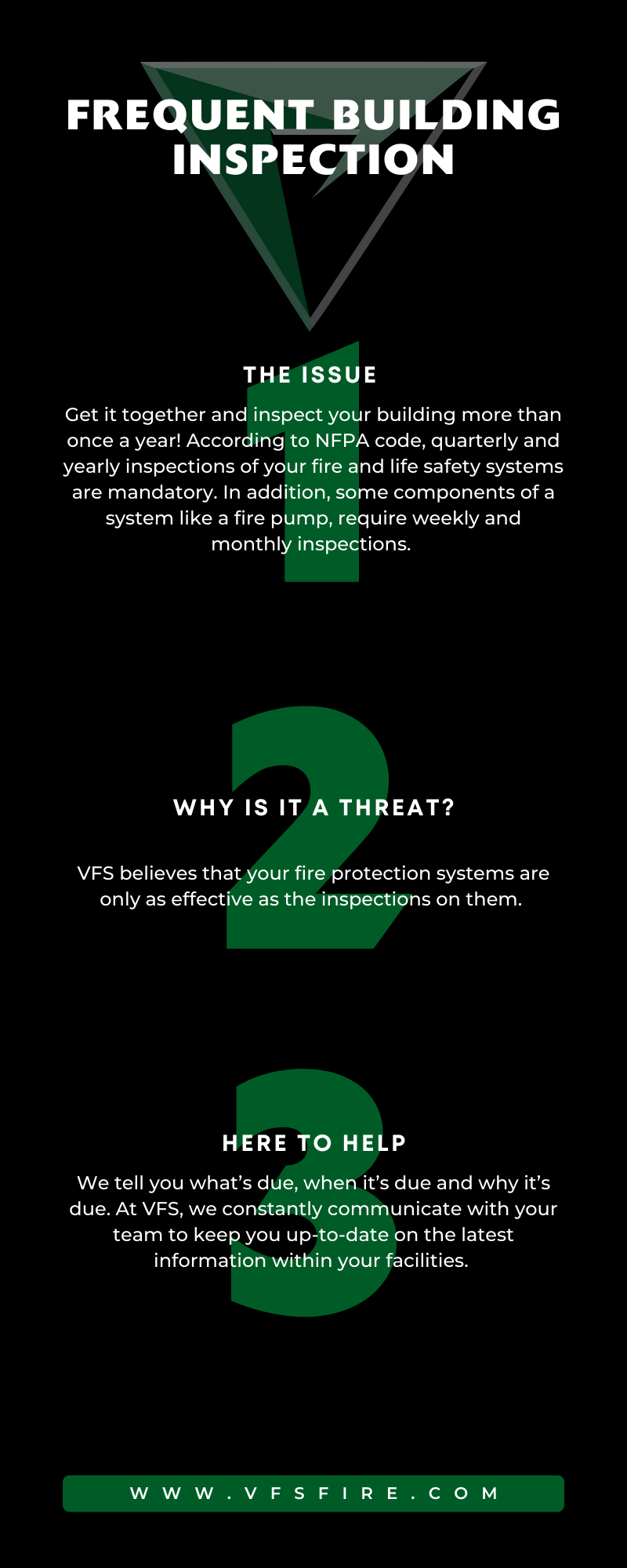
VFS believes that your fire protection systems are only as effective as the inspections on them. 

According to the National Fire Protection Association (NFPA) code, quarterly and yearly inspections of your fire and life safety systems are mandatory. In addition, some components of a system, like a fire pump, require weekly and monthly inspections. 

It is best to consult your VFS Account Executive for details. Having your building inspected by trained and certified inspectors will help keep your safety systems in good working order.

Hot Inspection Tips

  1. Annual inspections are required for all fire and life safety systems. But, once a year isn’t the best option for overall safety of employees and the buildings. 
  1. Some systems or components of a system may require more frequent inspections like monthly or quarterly. 
  1. Inspectors should be certified by a nationally recognized organization.
    • Inspectors should wear company clothing or nametags identifying them as professionals authorized to be in the building.
  1. Your inspection reports should deliver the following information:
    • Location of every device in building
    • Whether each device passed or failed inspection and why
    • Date/time stamp when each device was inspected
    • Device inventory & warranty status
    • Indication of length of time devices have been in service
    • Verification of report results
  1. Detailed inspection reports are excellent supporting documents for insurance companies or authorities having jurisdiction (AHJs).
  1. Make sure your employees or building tenants are aware of a scheduled inspection 24 hours in advance.
    • For Fire Alarm Systems, audio/visual testing may interfere with trainings, meetings or site visits.
  1. Let inspectors know of any construction or remodeling, and additions or problems to the fire protection systems in your building since the last inspection.

We tell you what’s due, when it’s due and why it’s due. At VFS, we constantly communicate with your team to keep you up-to-date on the latest information within your facilities. Fortify your building with reliable fire protection systems inspected and maintained by the experts at VFS!


It's summer vacation ... but not for you. Get your fire safety up to par

The sun is out, the air smells like sunscreen and … summer school! 

School buildings provide an important space for youth and educators, so there is great risk if there is no evacuation plan in place. 

Seems overwhelming? Don’t worry, the best part is that we do the work for you! 

Evacuation Plan

There are other outlier factors that need to be considered while creating a solid evacuation plan. National Fire Protection Association (NFPA) provides some startling facts about fires that start in school buildings: 

  • “School fires most often originated in a lavatory or locker room
  • Fires that were intentionally set were the leading cause of school fires, accounting for almost two of every five fires
  • Two-thirds of school fires occurred between 8 a.m. and 4 p.m. 
  • In 2014-2018, the U.S. fire departments responded to an estimated average of 3,230 structure fires in schools each year
  • These fires caused annual averages of one civilian death, 39 civilian injuries, and $37 million in direct property damage.” 

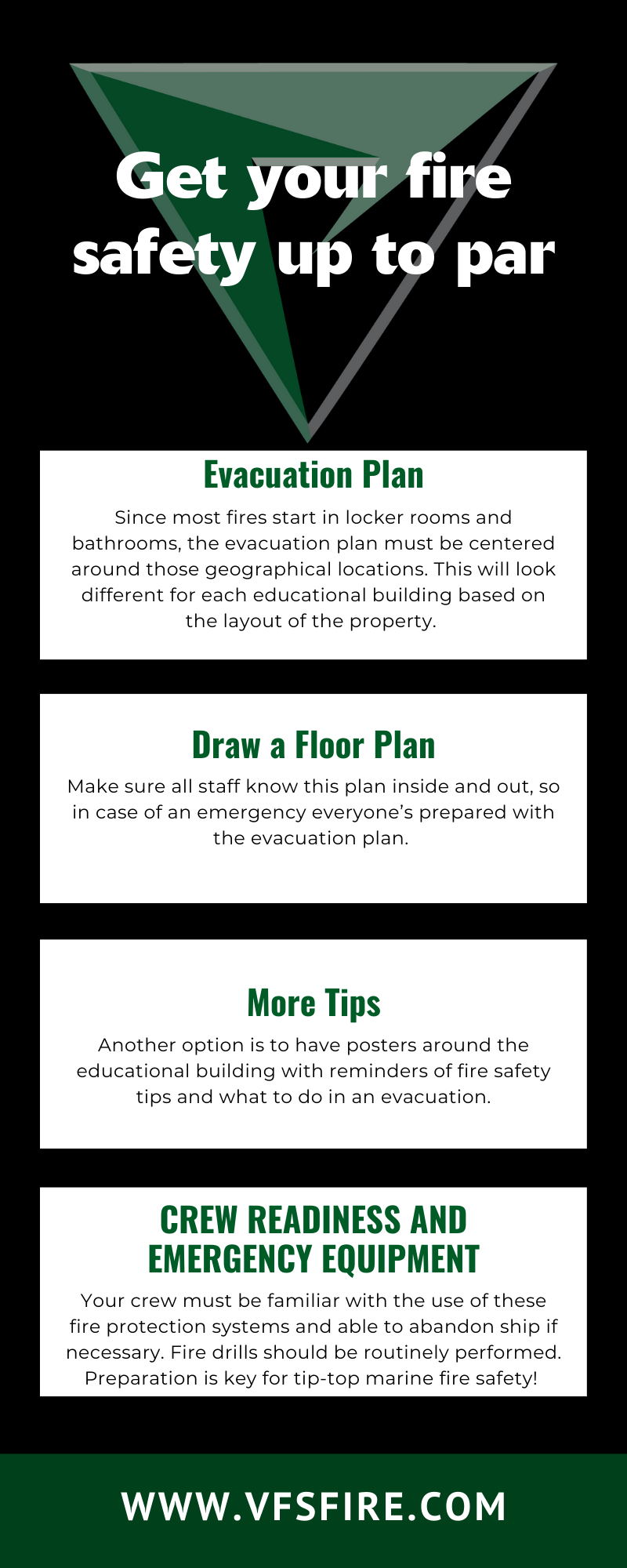
Since most fires start in locker rooms and bathrooms, the evacuation plan must be centered around those geographical locations. This will look different for each educational building based on the layout of the property. 

Draw a Floor Plan

When making a blueprint of the building, highlight exits and other fire safety tools (think fire hoses, extinguishers, and emergency phones). Make sure all staff know this plan inside and out, so in case of an emergency everyone’s prepared with the evacuation plan. 

More Tips

Cluing in students at an educational facility is also important to successfully follow through an evacuation plan. Assemblies and test fire alarms are a great way to start. 

Another option is to have posters around the educational building with reminders of fire safety tips and what to do in an evacuation. Some of these may include: 

  • Don’t use the elevator, always choose the stairs
  • Never go back into the building unless given permission by authorities
  • Call 911 as soon as possible
  • Always leave through the nearest exit
  • Leave your personal items behind

We protect property and lives, while providing a sense of security and peace of mind. 

VFS is here to help you improve your fire safety plan in educational buildings, find more on our website.